
Why Brands FAIL at Rebranding
**Embrace Consistency: The Pitfalls of Frequent Rebranding**
In today’s fast-paced digital world, maintaining a strong and recognizable brand identity is more critical than ever. Yet, ironically, many companies fall into the trap of frequent rebranding, altering their logos and identities in pursuit of appearing modern or fresh. However, evidence suggests that this approach can be misguided. Is the constant drive to rebrand really worth the risk of losing loyal customer bases and diluting brand identity? In many cases, the answer seems to be a resounding no.
**The Familiar Nostalgia of Cracker Barrel**
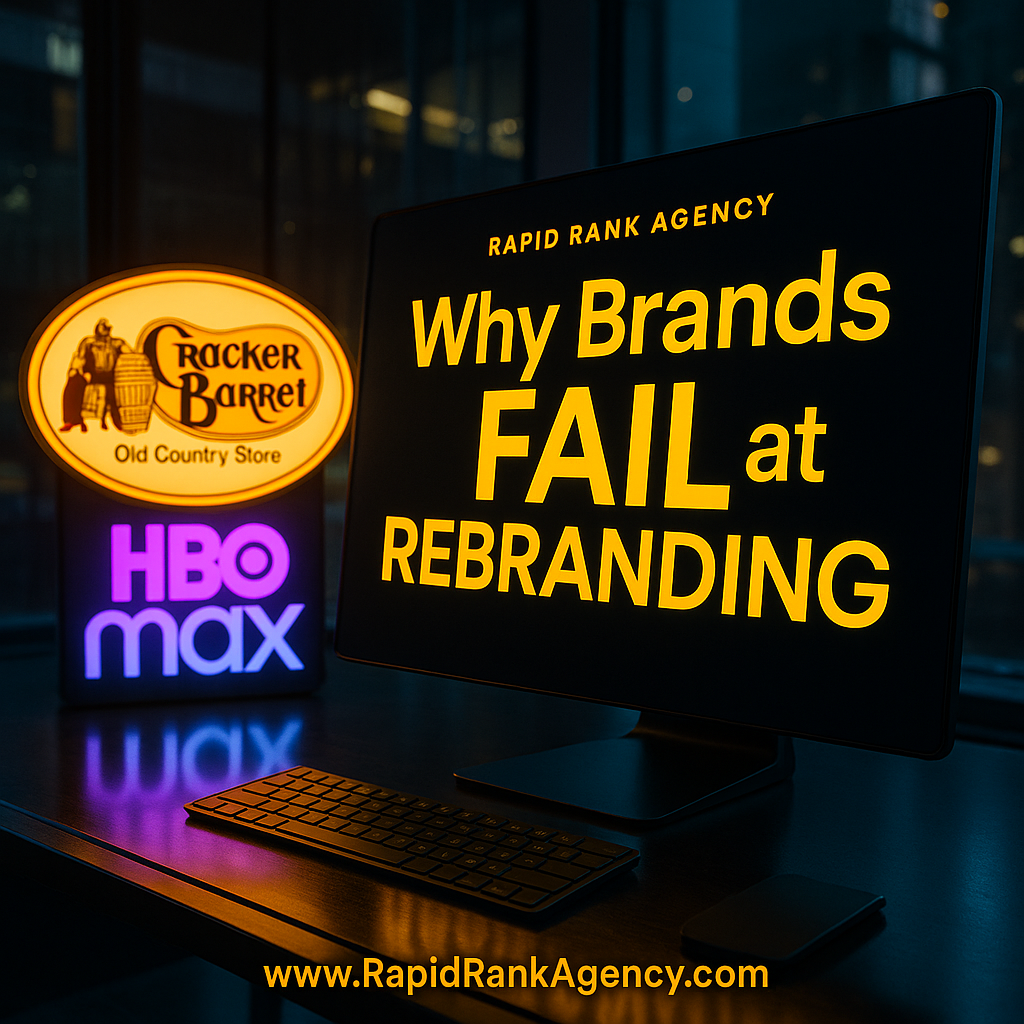
When I think of iconic brands that have stood the test of time, Cracker Barrel is a name that often comes to mind. Known for its rustic charm and Southern hospitality, Cracker Barrel has cultivated a loyal following over the years. Yet, in a surprising move, the company decided to modernize its look, rolling out not one but two redesigns. The new logos were drastically different from the beloved original, and the response was far from positive. Fans were outraged, and the backlash was so severe that Cracker Barrel was compelled to revert to its old logo.
This prompted me to reflect on the essence of brand loyalty and the delicate balance between innovation and tradition. Cracker Barrel’s mishap was not an isolated incident but a cautionary tale of how vehement an audience’s reaction can be when they feel disconnected from a brand they cherished.
**HBO Max: A Lesson in Brand Recognition**
Let’s turn our attention to another rethink—one from the tech side of the spectrum. HBO Max, a major player in streaming services, underwent a peculiar rebranding journey that involved dropping “HBO” altogether, opting for the simpler, “Max.” It was a bold move, and perhaps the rationale was to stand out amongst numerous streaming platforms.
But here’s the twist—it didn’t work as intended. As people know too well, sometimes less is not more. The original “HBO Max” resonated with audiences because it combined the established prestige of HBO with the contemporary flair of streaming services. The move away shrouded the brand in anonymity. Realizing their misstep, the company reverted back, acknowledging that audiences connect with what they know, what they trust, and what they understand.
**Why You Should Think Twice Before Rebranding**
The frequent, almost whimsical rebranding efforts seen across industries beg the question: why fix what isn’t broken?
– **Audience Attachment:** Brands like Cracker Barrel and HBO Max enjoyed legacies built on trust and recognition. A sudden change can alienate customers who feel a profound connection to the brand’s original ethos and visuals.
– **Consistency Equals Credibility:** A consistent brand image reassures customers of stability and reliability. Consistency doesn’t inherently mean antiquation; rather, it’s about maintaining a core identity that your audience can rely on.
– **Costly and Distracting:** Rebranding is not just about changing a logo; it involves comprehensive changes across the board—from marketing materials to signage and beyond. This is both expensive and time-consuming, diverting attention and resources from other critical business aspects.
**The Learning Moment: Balancing Modernity with Tradition**
So what can brands learn from these examples to avoid making similar mistakes? How do you keep your brand relevant while maintaining its core identity?
– **Engage with Your Audience:** Before embarking on a rebrand, engage your audience. Surveys, social media insights, and focus groups can offer valuable feedback that can shape or pause a potential redesign.
– **Subtle Evolution, Not Revolution:** If change is deemed necessary, consider subtle evolutions rather than complete overhauls. Gradually integrating modern elements allows the audience to adjust without feeling alienated.
– **Test the Waters:** Pilot changes in select markets or platforms to gauge audience reactions before deciding on a full-scale rebranding effort.
**A Timeless Presence: The Emotional Connection**
Ultimately, brands are not just logos but the emotional connections they have fostered. Each logo tells a story interwoven with the audience’s memories and experiences. The nostalgia of a trip to Cracker Barrel or staying in for a movie night with HBO Max carries weight far beyond mere aesthetics.
**Who and Why: Questions for Reflection**
Who are we redesigning for, and why? Are the changes designed to genuinely address customer needs and market desires, or are they internal whims? These are crucial questions brands should ponder to avoid the pitfalls of unnecessary rebranding. By cultivating a dialogue with customers and fostering meaningful interactions, businesses can retain their charm and relevance while staying true to their roots.
Rebranding is a delicate balancing act that requires careful consideration and strategic foresight. While there can be valid reasons to adopt new brand identities, the tales of Cracker Barrel and HBO Max remind us to proceed thoughtfully. Before you embark on a redesign, reflect on the powerful bond with your audience and the story you are continually crafting together. In most cases, consistency truly is key.