
Court Dismisses Google’s DMCA Claims Against SerpApi via @sejournal, @MattGSouthern
How a Ground-Breaking Court Ruling Could Reshape Your Digital Strategy
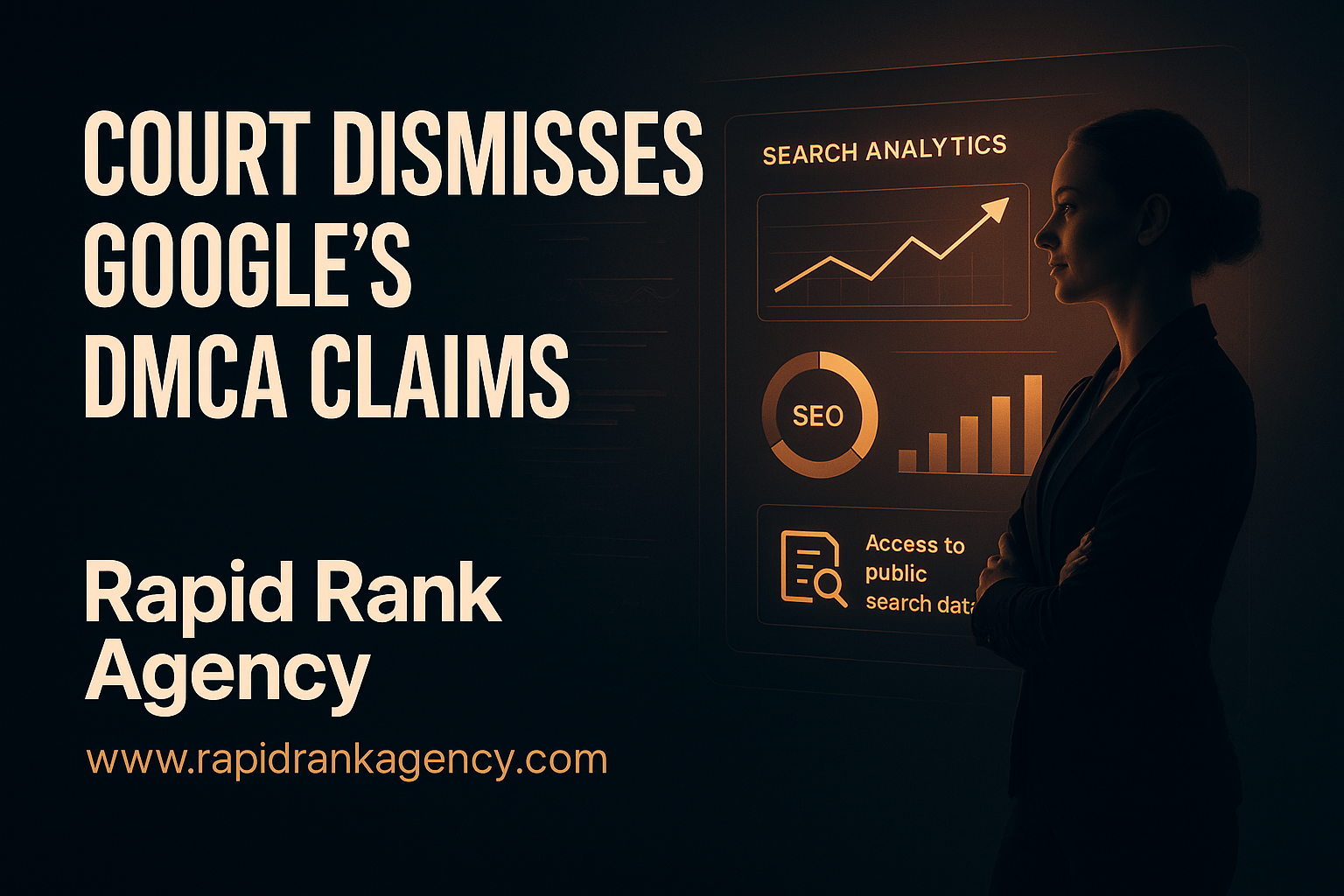
In the rapidly evolving world of digital marketing, staying informed about the latest legal developments can empower businesses to refine their strategies and achieve greater success. A recent federal court decision has brought a significant shift to the realm of online data accessibility. The dismissal of Google’s DMCA claims against SerpApi has clarified the legality of scraping public search results, setting a precedent that may redefine how businesses access and utilize public data.
Understanding the Court’s Decision
The court’s ruling stems from Google’s allegations that SerpApi violated Digital Millennium Copyright Act (DMCA) regulations by scraping Google’s search results. Google contended that SerpApi bypassed its SearchGuard technology intended to protect copyrighted search results. However, the court concluded that scraping public, non-copyrighted search results does not constitute a DMCA violation, although Google retains the right to amend its claims concerning copyrighted images associated with its Knowledge Panel.
Why This Ruling Matters to Businesses
This decision has profound implications for companies seeking to access online data for strategic advantages. By confirming the legality of extracting non-proprietary public data, businesses now have a clearer pathway to gather valuable insights that can enhance digital marketing strategies and facilitate informed decision-making. Notably, open data access can allow for more sophisticated analysis and the creation of automated systems to improve SEO visibility and market competitiveness.
The Role of Web Scraping in Modern Business
Web scraping involves extracting data from websites and is crucial for businesses aiming to build comprehensive digital profiles. By obtaining insights from public search results, companies can refine keyword strategies, monitor industry trends, and respond to consumer behaviors more effectively. The ability to legally scrape and utilize public data removes a significant barrier for businesses eager to leverage a data-driven approach in their operations.
How to Responsibly Scrape Public Data
Although the court’s ruling opens doors for scraping public search results, companies should exercise diligence and ethical practices in their web scraping activities. Respecting terms of service, avoiding excessive server loads, and ensuring no copyrighted content is scraped are essential steps in maintaining compliance and integrity.
Leveraging Data for SEO and Digital Marketing
For business owners looking to strengthen their digital presence, this legal clarification can be a game-changer. Access to comprehensive and accurate data allows companies to refine their SEO strategies, better understand customer needs, and ultimately, improve online visibility. As the landscape of digital marketing continues to change, embracing this opportunity can provide a competitive edge.
Conclusion
The federal court’s dismissal of Google’s DMCA claims against SerpApi marks a pivotal moment for businesses and digital marketers. By affirming the legality of scraping public search data, this ruling creates new opportunities for data-driven insights and strategic enhancements in digital marketing. However, with this newfound clarity comes the responsibility of leveraging public data ethically and legally.
Call to Action
Harness the power of public data to elevate your business’s digital strategy. Request an SEO Audit today to explore the untapped potential of legally accessible public insights.
#DigitalStrategy #SEO #PublicDataAccess #WebScraping #LegalUpdate #DigitalMarketingTrends #RapidRankInsights