

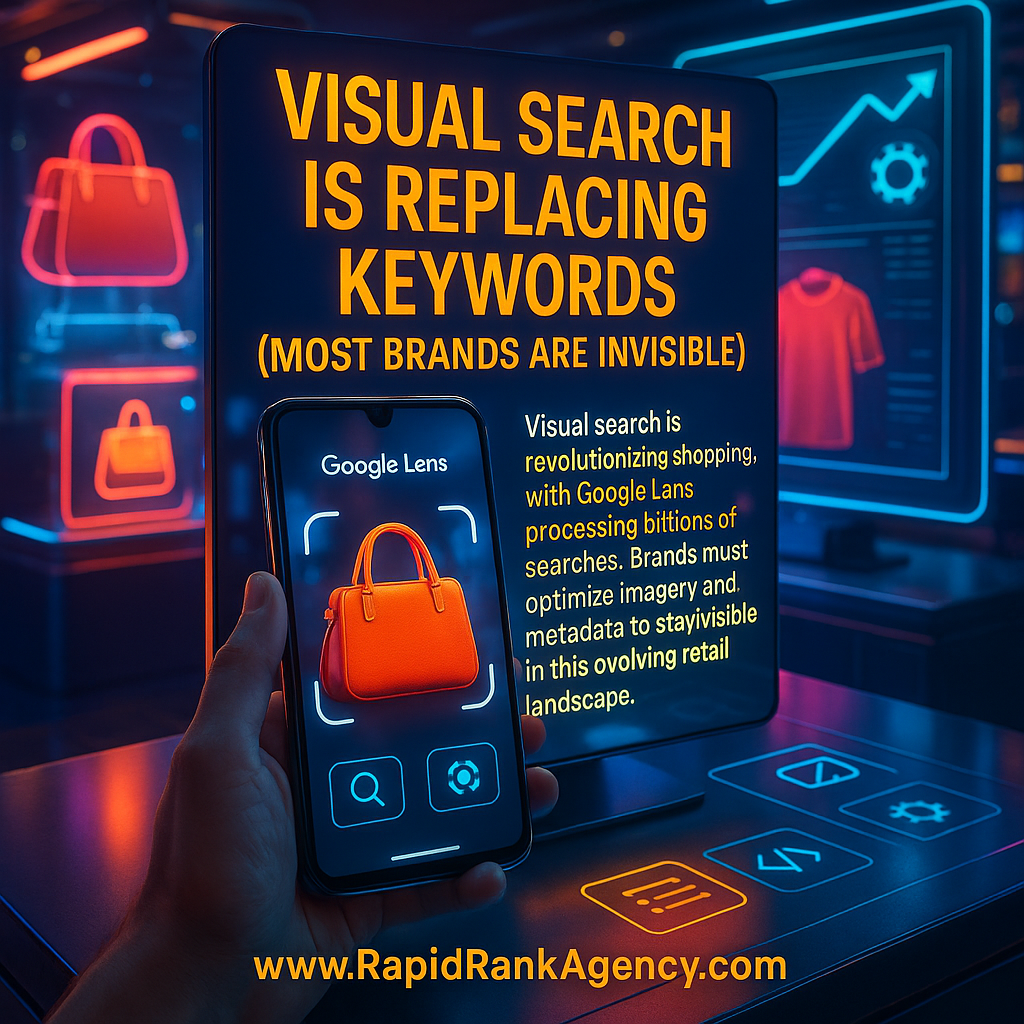
Visual Search Is Replacing Keywords (Most Brands Are Invisible)
**The Future of Shopping: How Visual Search is Changing Retail**
In the ever-evolving world of retail, technological advancements continue to reshape how consumers discover and purchase products. One of the most remarkable breakthroughs in recent years is visual search, which is revolutionizing the shopping experience in ways that were once unimaginable. With the advent of tools like Google Lens, which processes an astonishing 20 billion visual searches a month, it is clear that this is not just a futuristic concept but a present reality. Among these searches, 4 billion are directly related to shopping, proving that visual search is becoming an integral part of the consumer journey.
As brands navigate this new landscape, the imperative to adapt has never been more pressing. Yet, many brands remain invisible in the moments that matter most. In this blog post, we will delve into how visual search is transforming retail, why brands must embrace this change, and how they can position themselves to thrive in this dynamic environment.
**The New Normal: Visual Search Takes Center Stage**
The traditional method of typing keywords into a search engine is becoming a thing of the past. Consumers no longer rely solely on text-based searches such as “black leather jacket.” Instead, they are increasingly turning to their cameras to find what they desire. With Google Lens, users can simply capture an image of an item, whether seen on a TikTok video, an Instagram feed, or in real life, and receive instant information about the product, including pricing, availability, and purchasing options. This shift is indicative of a larger trend: consumers are embracing more intuitive and efficient ways to engage with brands.
However, statistics reveal a significant gap in usage and potential adoption. While only 10% of US adults regularly use visual search, an impressive 42% express interest in trying it. The trend is even more pronounced among younger demographics, with 22% of Gen Z and younger millennials already leveraging visual search for product discovery and purchase. This underscores a growing demand for technology that seamlessly integrates with how visually-oriented generations interact with the world.
**Are Brands Ready for This Shift?**
The rise of visual search presents both a challenge and an opportunity for brands. To capitalize on this trend, it is crucial for brands to ensure their products are visible in these visual-driven searches. This requires an optimized approach to product imagery and metadata.
Brands must:
– **Invest in High-Quality Imagery**: High-resolution images from multiple angles enable visual AI, like Google Lens, to accurately identify products. This helps customers recognize and connect with products instantaneously.
– **Optimize Metadata**: Accurate and comprehensive metadata associated with images ensures that search algorithms can effectively categorize and present products to consumers. It involves detailing every aspect of the product, including its type, material, and other key attributes.
– **Leverage Google Shopping Ads**: With Google introducing shopping ads directly into Google Lens results, brands can enhance their visibility and appeal to prospective customers right at the point of interest.
Despite the remarkable capabilities of visual search, the pathway to success is not without its hurdles. As retail continues to digitize, the brands that can effectively harness this technology will likely lead the market.
**Learning from Early Adopters**
To truly appreciate the power of visual search, consider the success stories of forward-thinking brands and retailers that have embraced this trend. These trailblazers have optimized their digital presence by prioritizing imagery and data accuracy, thereby enhancing their discoverability in visual search results.
Consider a fashion retailer that heavily invests in lifestyle photography featuring their apparel. By doing so, they provide not just static images but dynamic scenes that resonate with customers. When these images are programmed with the right metadata, they become easily searchable, leading to higher product engagement and conversions.
Moreover, younger consumers are much more inclined to purchase products that create personalized and visually engaging shopping experiences. By leveraging visual search technologies, brands can satiate the evolving preferences of these tech-savvy shoppers.
**The Personal Connection to Visual Search**
Reflecting on the power of visual search, it’s fascinating to consider how this technology aligns with innate human behaviors. We live in a world where visuals often precede language; we witness something and instinctively reach for our cameras. This form of interaction not only bridges the gap between online and offline shopping experiences but humanizes technology by tapping into our natural inclinations.
In many ways, visual search democratizes access to information about products, creating a more inclusive shopping environment. For brands willing to adapt, this transformation is more than a technological trend—it’s a new way to connect with consumers meaningfully.
**An Invitation to Engage**
As we stand on the brink of a new era in retail, the question arises: are you ready to see your brand and product through the lens of tomorrow? Visual search is not merely altering how we shop—it’s redefining the relationship between consumers and brands.
How will your brand position itself to adapt to an increasingly visual world? Will you embrace the potential of visual search to reach new audiences and redefine customer engagement? As technology continues to evolve, those who are proactive will find themselves at the forefront of a retail revolution, setting new standards for how consumers interact with their favorite brands.
The future is visible, and it promises to be as exciting as it is transformative.